Showing posts with label colonial america. Show all posts

Wednesday, November 27, 2019

Happy Thanksgiving!!


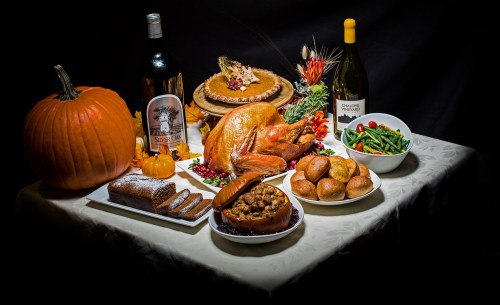
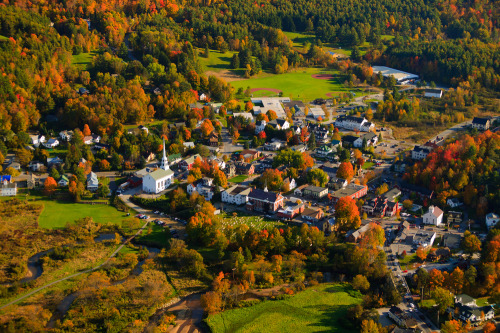
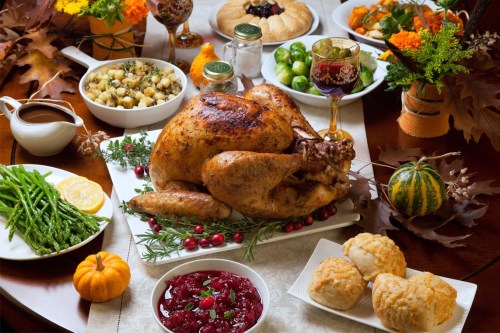
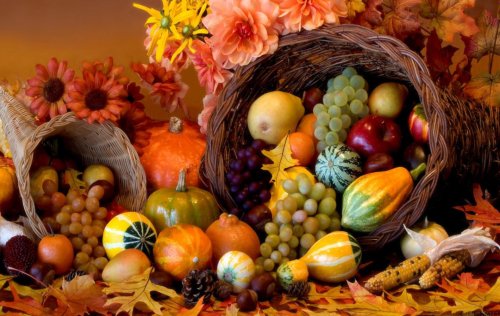
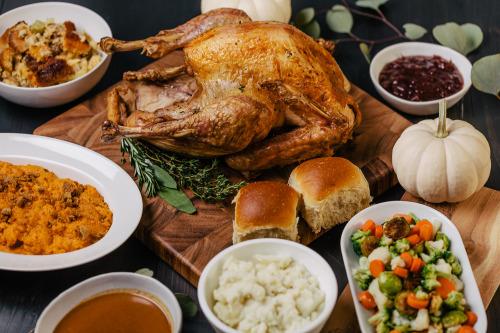
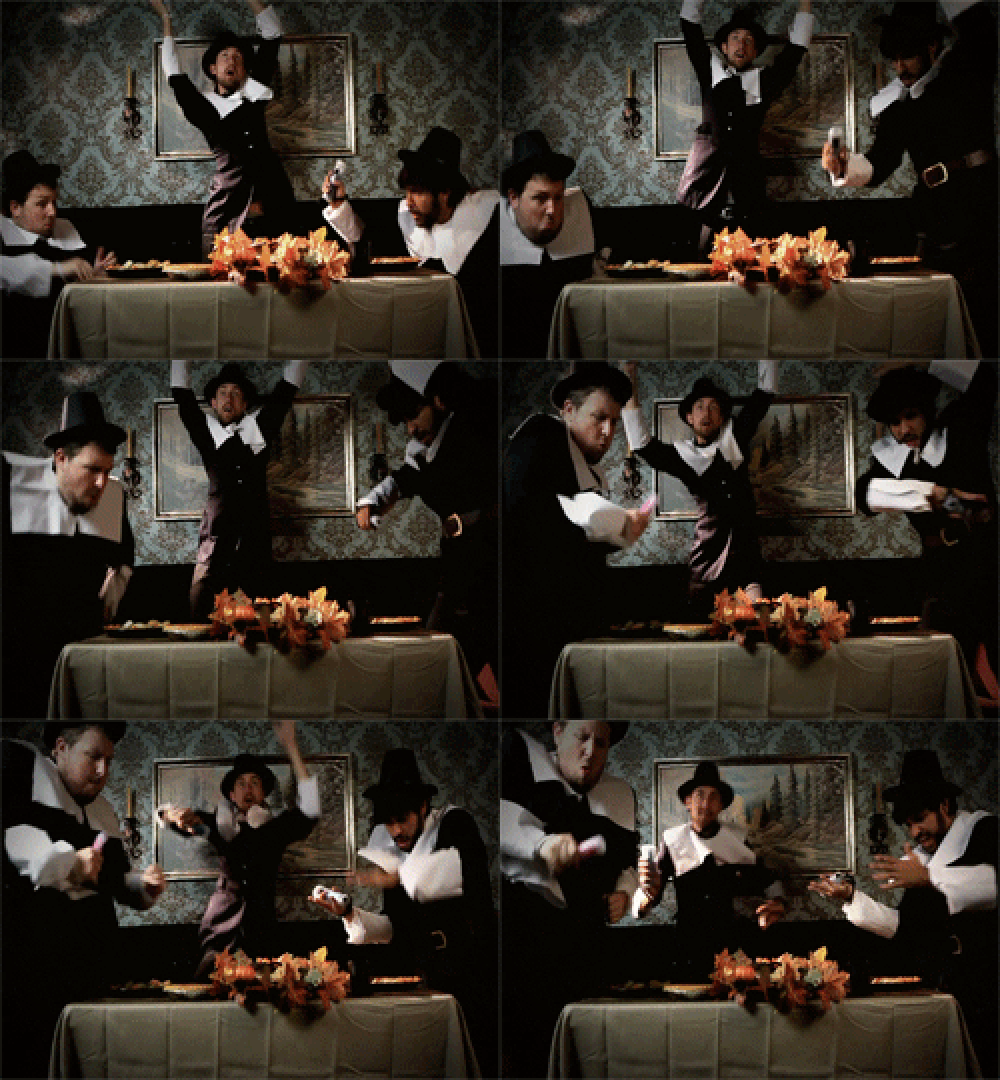
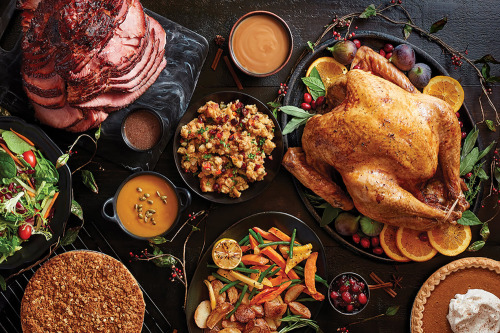
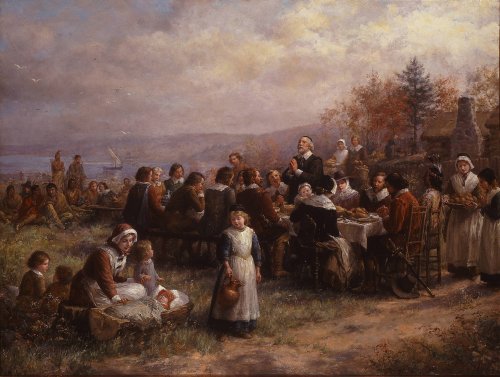
I just want to say . . . Happy Thanksgiving!  Below are images celebrating the traditional fall holiday:


HAPPY THANKSGIVING!!!


image


image


image


image


image


image


image


image

Monday, October 21, 2019

Pumpkin Pie

homemade-pumpkin-pie

Below is an article the popular holiday dessert, Pumpkin Pie.


PUMPKIN PIE

As many Americans know, Pumpkin Pie is a sweet dessert, traditionally eaten during the fall and early winter seasons. They are especially popular during the Halloween, Thanksgiving and Christmas holidays in the United States and Canada. Many view the pumpkin as a symbol of harvest time. The pie consists of a custard made from an actual pumpkin, canned custard or packaged pie filling made from the plant. The pie's color usually range from orange to brown and is baked in a single pie shell, rarely with a top crust. Pumpkin pie is generally flavored with nutmeg, cinnamon, cloves, and ginger.

The pumpkin is a native of the North American continent. The oldest evidence of its existence were pumpkin-related seeds that dated between 7000 and 5500 BCE, has been found in Mexico. Despite the discovery of its seeds in Mexico, the pumpkin was first exported to France in the 16th century. From there, it was introduced to Tudor England. The English quickly accepted the flesh of the "pompion" as a pie filler. Following its introduction to England, pumpkin pie recipes could be found in 17th century English cookbooks such as Hannah Woolley's 1675 book, "The Gentlewoman's Companion".

English immigrants such as the Pilgrims eventually introduced the pumpkin pie to the New England region. Recipes for the pie did not appear in American cookbooks until the early 19th century. During this same period, the dessert finally became a common addition to the Thanksgiving dinner. Meanwhile, the English method of cooking the pumpkin took a different course. The English pumpkin pie was prepared by stuffing the actual pumpkin with apples, spices and sugar, before baking it whole. The dessert, which more or less remained traditional in the United States, inspired songs and poems. Nineteenth century activist Lydia Maria Child referenced the pumpkin pie in her 1844 song, "Over the River and Through the Wood". And in 1850, John Greenleaf Whittier wrote a poem called "The Pumpkin".

Below is a recipe for a fresh pumpkin pie from the Full Circle website (which was adapted from a recipe found on www.rwood.com:


Pumpkin Pie

Ingredients

Your favorite pie crust dough, enough for one 9-inch shell.
1 pie pumpkin
2 eggs
1 1/2 cups organic cream
1/2 cup unrefined cane sugar
1/2 tsp sea salt
1 tsp ground cinnamon
1/2 tsp ground ginger
1/2 tsp freshly grated nutmeg
1/8 tsp ground cloves


Preparation

Preheat the oven to 350°F. Cut the pumpkin in half, remove the seeds, place the pumpkin halves in a pan, shell side up, and bake for 1 hour or until the pumpkin is tender, exudes liquid and the shell starts to sag.

Pour off accumulated liquid, scrape the pulp from the shell and purée it with a potato masher or in a blender. Measure 2 cups of the purée and set it aside. Reserve any additional pumpkin for another use.

Place your pie dough on a lightly floured surface and, starting from the center out, roll the dough to about 2 inches larger than the size of the pan. Loosen the pastry, fold it in half, lift it and unfold it into the pan. Press it into place, trim off the excess dough and crimp the edges.

Increase the temperature of the oven to 425°F. In a large mixing bowl lightly beat the eggs. Add the purée and the remaining ingredients and stir to blend. Pour the mixture into the dough-lined pan.

Bake for 15 minutes and then reduce the heat to 350°F and bake an additional 45 minutes or until a knife inserted comes out clean. Allow to cool slightly before serving.


11728694

Tuesday, May 14, 2019

Jambalaya


Below is an article about the American dish known as "Jambalaya"


JAMBALAYA

One of the most popular dishes to originate in the southern United States is a dish from Louisiana called Jambalaya. The dish has its origins in the Spanish dish known as paella. There is also a similar dish from the French province of Provence called jambalaia. Both are dishes that are mash-ups of rice, meat, vegetables and saffron.

Jambalaya originated in the French Quarter of New Orleans, during the late 18th century. The Spanish, who controlled Louisiana and the Mississippi Valley at the time, made an attempt to recreate paella in the New World. But since saffron was unavailable due to import costs, the Spanish used tomatoes as a substitute for saffron. Despite Spanish control of the region, the French dominated the population, since they were the original founders of the colony. The French utilized spices from the Caribbean to transform this paella copycat into a unique New World dish. 

Many would be surprised to learn that Jambalaya proved to become a very flexible dish in Louisiana over the years. It has evolved into three distinct recipes. The original version, known as the Creole or "red" Jambalaya, featured tomatoes. The second version, which is common in the parishes in Southwestern and South-Central Louisiana, is a "rural Creole" Jambalaya that contains no tomatoes. The third version is known as "White or Cajun Jambalaya" in which the rice is cooked in stock and separately from the meat and vegetables. 

The recipe for Jambalaya made its first appearance in the 1878 cookbook called "Gulf City Cook Book" by the ladies of the St. Francis Street Methodist Church in South Mobile, Alabama. Jambalaya experienced a brief surge of popularity during the 1920s and 1930s, due to its flexible recipe. And in 1968, Louisiana Governor John J. McKeithen proclaimed Gonzales, Louisiana as the Jambalaya Capital of the World. Every spring, Gonzales hosted the annual Jambalaya Festival.

Below is a recipe from the Epicurious.com website for Jambalaya:


Jambalaya

Ingredients

1 tbsp olive oil
1 large onion, chopped
2 medium cloves garlic, peeled
1 large green bell pepper, cored, seeded and chopped
2 celery stalks, diced
3 tbsp fresh Italian parsley, minced
4 oz extra-lean smoked ham, cut into 1/2-inch cubes
5 oz boneless, skinless chicken breast, diced
1 large bay leaf
1 tsp cayenne pepper
1 can (28 oz) diced tomatoes
1 can (8 oz) tomato sauce
3/4 cup brown rice, uncooked
1 1/2 lb medium shrimp, peeled, deveined and chopped into bite-sized pieces


Preparation

Add oil to a large nonstick saucepan. Over medium heat, sauté onion, garlic, bell pepper and celery until onion is translucent. Add parsley, ham, chicken, bay leaf, and cayenne pepper. Cook, stirring often, 5 to 6 minutes. Add tomatoes (with juice), tomato sauce, and 1 3/4 cups cold water. Gently simmer, uncovered, stirring occasionally, about 5 minutes. Pour rice into the pan and stir well. Bring mixture to a boil. Lower heat and simmer, covered, 45 minutes or until rice is cooked and absorbs most of the liquid. Stir in shrimp and cook 5 minutes more. Remove bay leaf. Season to taste with cayenne pepper and salt.


Wednesday, February 6, 2019

Spoonbread

Gluten-Free-Sweet-Corn-Spoon-Bread.jpg

Below is an article about the American dish known as Spoonbread: 


SPOOONBREAD

The dish known as spoonbread is a cornmeal-based specialty that is prevalent in the American South. Although named a "bread", the dish is closer in consistency and taste to many savory puddings, like Britain's Yorkshire pudding. According to some recipes, spoonbread is similar to a cornmeal soufflé. However, most Southern recipes for this dish do not involve whipping the eggs to incorporate air. 

The first published recipe for Spoonbread appeared in a book written by Sarah Rutledge in 1847. Another recipe appeared in the cookbook called "Practical Cook Book ", written by a Mrs. Bliss of Boston in 1850. She called the dish, "Indian puffs". However, Spoonbread dates long before the Antebellum period. European colonists probably first learned about the dish from Native tribes along the Atlantic seaboard. The traditional South Carolina low country version of Spoonbread was called Awendaw (or Owendaw). It was named after a Native settlement outside of Charleston. 

Although Spoonbread dated back many centuries, it became very popular with American around the turn of the 20th century. And the town of Berea, Kentucky has been home to an annual Spoonbread Festival, which has been held in September since 1997.

Below is a recipe from the Epicurious.com website for Fresh Corn Spoonbread:


Corn Spoonbread

Ingredients

2 cups whole milk
1/3 cup yellow cornmeal
1 1/2 cups fresh corn kernels (from 2 to 3 ears)
1 tablespoon unsalted butter
1 teaspoon salt
4 large eggs, separated


Preparations

Preheat oven to 425°F.

Bring milk, cornmeal, corn kernels, butter, and salt to a boil in a 3-quart heavy saucepan over moderately high heat, stirring frequently, and simmer, stirring constantly, until thickened, 3 to 4 minutes. Remove from heat and cool 5 minutes, stirring occasionally, then whisk in yolks.

Beat whites and a pinch of salt with an electric mixer at medium speed just until soft peaks form. Whisk one fourth of whites into cornmeal mixture in pan to lighten, then fold in remaining whites gently but thoroughly. Spread mixture evenly in a buttered 9 1/2-inch deep-dish glass pie plate or 1 1/2-quart shallow casserole and bake in middle of oven until puffed and golden, 15 to 20 minutes. Serve immediately (like a soufflé, spoon bread collapses quickly).


Sunday, October 11, 2015

Top Ten Favorite BRITISH EMPIRE Novels

G2cs4s5
Below is a list of my current favorite novels set during the British Empire: 


TOP TEN FAVORITE BRITISH EMPIRE NOVELS

1 - Flashman in the Great Game

1. "Flashman in the Great Game" (1975) by George MacDonald Fraser - Set between 1856 and 1858, this fifth novel in theFlashman Papers Series is about cowardly British Army officer Harry Flashman's experiences during the Sepoy Rebellion.


2 - Shadow of the Moon

2. "Shadow of the Moon" (1957/1979) by M.M. Kaye - This is a love story between an Anglo-Spanish heiress and a British Army officer before and during the Sepoy Rebellion.


3 - The Bastard

3. "The Bastard" (1974) by John Jakes - Set during the final five years before the American Revolution, this tale is about Phillipe Charbaneau aka Philip Kent, the Anglo-French bastard of a nobleman forced to seek a new life in the American Colonies.


4 - Flashman and the Dragon

4. "Flashman and the Dragon" (1985) by George MacDonald Fraser - The eighth novel of the Flashman Papers reveals Harry Flashman's experiences in China during the Taiping Rebellion and the British march to Peking during the Second Opium War.


5 - Noble House

5. "Noble House" (1981) by James Clavell - Set during two weeks in August 1963, this novel is about a British businessman in Hong Kong, who struggles to save his family's company from financial ruin through a deal with an American corporate raider.


6 - Zemindar

6. "Zemindar" (1982) by Valerie Fitzgerald - This novel is about a young Englishwoman named Laura Hewitt, who accompanies her cousin and cousin-in-law to India to meet the latter's wealthy half-brother. All three get caught up in the outbreak of the Sepoy Rebellion.


7 - Tai-pan

7. "Tai-Pan" (1966) by James Clavell - Set during the immediate aftermath of the First Opium War, this novel is about a British trader and his dealings with his family and enemies during the formation of Britain's Hong Kong colony.


8 - Liberty Tavern

8. "Liberty Tavern" (1976) by Thomas Fleming - This novel is about a former British Army officer, who operates a New Jersey tavern and serves as guardian to his stepchildren during the American Revolution.


9 - The Far Pavilions

9. "The Far Pavilion" (1978) by M.M. Kaye - This bestseller is about a 19th century British Army officer, who had spent his childhood believing he was Indian. He experiences love with an Indian princess and war during the Second Anglo-Afghan War.


10 - Forget the Glory

Tuesday, November 5, 2013

"JOHN ADAMS" (2008) Review


Over five years have passed since HBO aired the last episode of its seven-part miniseries, "JOHN ADAMS" . . . and I have yet to post any comment about it. I realized that I might as well post my views on the series, while my memories of it remains fresh. 


"JOHN ADAMS" (2008) Review

In a nutshell . . . "JOHN ADAMS" is an adaption of David McCullough’s bestselling, Pulitzer-Prize winning biography on the country’s second president, John Adams. Instead of beginning the story during Adams’ childhood or early adulthood, the miniseries began in the late winter/early spring of 1770, when he defended seven British soldiers and one officer accused of murder during the 'Boston Massacre' crisis. It ended with the episode that covered the last fifteen years of Adams’ life as a former President. And despite some historical discrepancies and a rather bland fourth episode, "JOHN ADAMS" ended as another glorious notch in HBO’s history.

The performances were superb, especially Paul Giamatti and Laura Linney as John and Abigail Adams. On screen, they were as well matched as the second President and First Lady were, over two hundred years ago. If either of them is passed over for either an Emmy or Golden Globe award, a great travesty will end up occurring. Especially Giamatti. He is the first actor I have seen make the role of John Adams his own, since William Daniels in "1776". Another performance that left me dazzled was British actor Stephen Dillane’s subtle and brilliant performance as one of the most enigmatic Presidents in U.S. history – Thomas Jefferson. I had heard a rumor that he preferred acting on the stage above performing in front of a camera. If it is true, I think it is a damn shame. There is nothing wrong with the theater. But quite frankly, I feel that Dillane’s style of acting is more suited for the movies or television. These three fine actors are backed up with excellent performances from the likes of David Morse as George Washington, a brooding Sam Adams portrayed by Danny Huston and Tom Wilkinson portraying a roguish and very witty Benjamin Franklin. 

I found most of the miniseries’ episodes very enjoyable to watch and very informative. Not only did "JOHN ADAMS"gave its viewers a detailed look into the United States and Europe during the late 18th and early 19th centuries, rarely seen on the silver or television screen. One particular scene comes to mind occurred in Part 1 - "Join or Die", when Adams witnessed the tar-and-feathering of a Boston Tory by members of the Sons of Liberty. The entire incident played out with grusome detail. Another scene that caught my attention occurred in Part 6 - "Unecessary War", when the Adamses had their first view of the recently built White House, located in the still undeveloped Washington D.C. I am so used to Washington looking somewhat civilized that its early, ramshackle appearance came as quite a surprise. And instead of allowing the actors and scenery resemble something out of a painting or art museum, everything looked real. One might as well be stepping into the late eighteenth century, absorbing the sights, sounds and smells . . . if one could achieve the latter via a television set. Speaking of sounds, I have to comment on the opening scene score written by Rob Lane. It is very rare find a miniseries theme song this catchy and stirring. Especially in recent years.

If I could choose one particular episode that left me wanting, it had to be Part Four - "Reunion". This episode covered John and Abigail Adams’ years in Paris during the Treaty of Paris negotiations and as the first U.S. Minister to the British Court of St. James in London. It also covered his return to Massachusetts and election as the first Vice President. I enjoyed the development of the Adams’ friendship with Jefferson in this episode. Unfortunately that is all I had enjoyed. I wish that the episode had expanded more on the troubles surrounding the Treaty of Paris and especially the Adams’ stay in London. The most that was shown in the latter situation was Adams’ meeting with King George III (Tom Hollander) and Abigail’s desire to return home. On the whole, I found this episode rushed and slightly wanting.

But there were three others that I found fascinating. One turned out to be Part 3 - "Don't Tread on Me". This episode featured his subsequent Embassy duties with Benjamin Franklin to the Court of Louis XVI, and his trip to the Dutch Republic to obtain monetary support for the Revolution. I would not exactly view this episode as one of the miniseries’ best, but it did feature an excellent performance by Paul Giamatti, who expressed Adams’ frustration with the opulent Court of Louis XVI and Benjamin Franklin, rakishly portrayed by Tom Wilkinson. Watching Adams attempt to win the friendship of the French aristocrats and fail was fascinating to watch.

One of the episodes that really stood out for me was Part 6 - "Unnecessary War". This episode covered Adams’ term as the second President of the United States and the growing development of a two-party system in the form of the Federalists led by Alexander Hamilton (Rufus Sewell) and the Jefferson-led Democratic-Republicans. This episode featured standout performances from not only Giamatti, but from Linney, Dillane and Sewell as a rather manipulative and power hungry Hamilton. The episode also featured a detailed history lessons on the beginning of political partisanship in the U.S. and the country’s (or should I say Adams’) efforts to keep the U.S. neutral from the war between Great Britain and France. It also focused upon a personal matter for both John and Abigail, as they dealt with the decline of their alcoholic second son, Charles. An excellent episode all around.

My favorite episode – and I suspect that it might be the case with many fans - is Part 2 - "Independence". This episode focused upon the early years of the Revolution in which Adams and his fellow congressmen of the Continental Congress consider the option of independence from Great Britain and the drafting of the Declaration of Independence. It also focused upon Abigail’s struggles with the Adams’ farm and a smallpox outbreak in the Massachusetts colony. Personally, I consider this the best episode of the entire series. I especially enjoyed the verbal conflict between pro-independence Adams and delegate John Dickinson of Pennsylvania (superbly portrayed by actor Željko Ivanek), who favored reconciliation with the Crown. But one scene I found particularly humorous featured Adams and especially Franklin “editing” Jefferson’s final draft of the Declaration of Independence. All three actors – Giamatti, Wilkinson and Dillane were hilarious in a scene filled with subtle humor.

Despite being based upon a historical biography, "JOHN ADAMS" is not historically accurate. Which is not surprising. It is first and foremost a Hollywood production. Some of the best historical dramas ever shown on television or on the movie screen were never historically correct. Whether or not "JOHN ADAMS" is 100% historically correct, it is one of the best dramas I have seen on television in the past five years. Now that I have a copy on DVD, I plan to watch it again and again.

Thursday, October 3, 2013

"JOHN ADAMS" (2008) Photo Gallery


Below is a gallery of photos from the 2008 Emmy winning HBO miniseries, "JOHN ADAMS".  Directed by Tom Hooper, the seven-part miniseries starred Paul Giamatti and Laura Linney:


"JOHN ADAMS" (2008) Photo Gallery